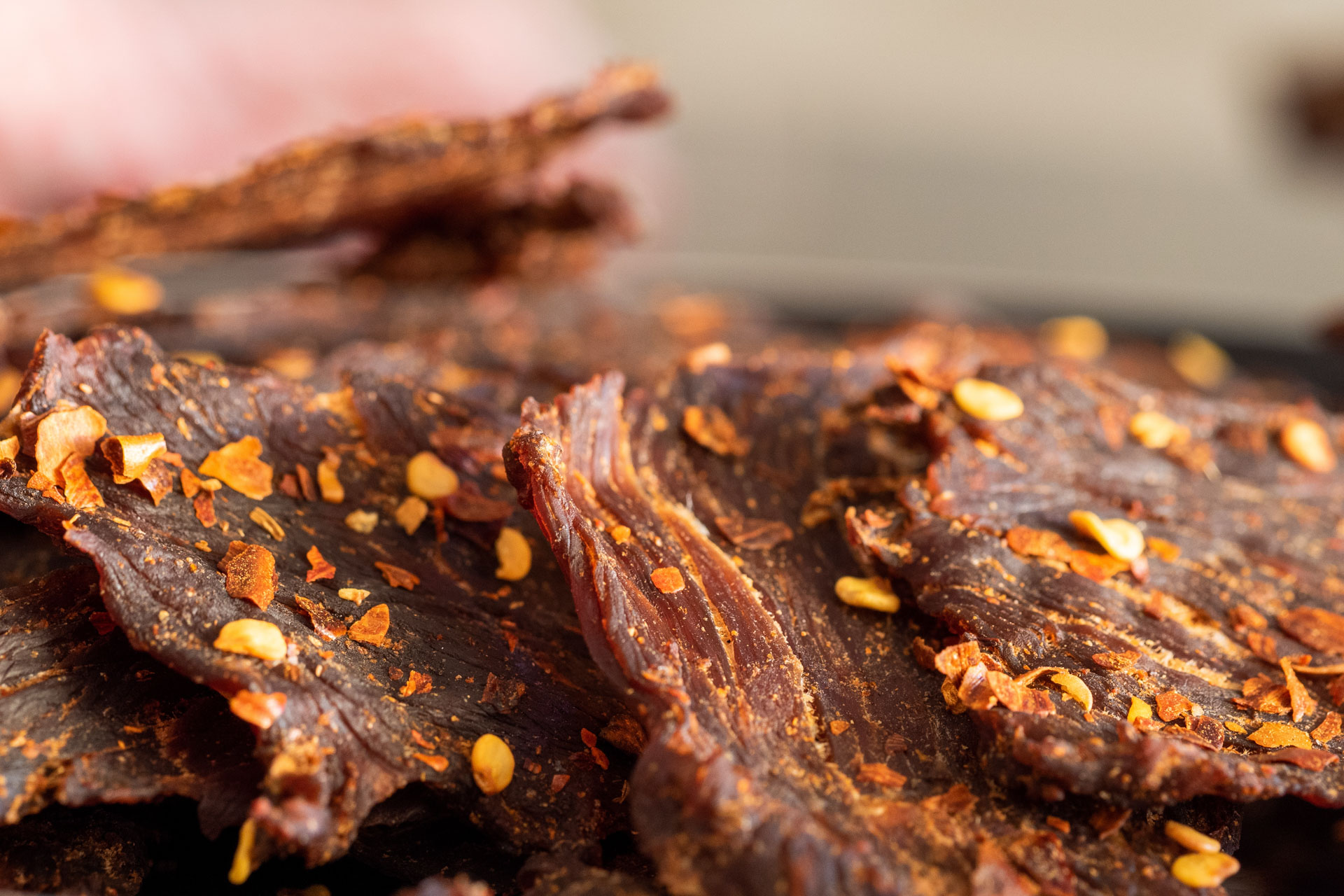
If you’re living in the UK and have ever tried biltong, you’ll know why it’s loved by so many. It’s not just a snack – it’s a taste of South African tradition that has found its way into homes all over the world.
My first attempt at making biltong at home wasn’t perfect. But once I learned the basics, it quickly became part of my kitchen routine. This blog will guide you step by step through the process of making biltong at home in the UK, and I’ll also share how Kalahari can help you get started the right way.
What You Need to Begin
Making biltong doesn’t require a huge investment, but there are a few essentials you’ll want to have ready.
- Good quality beef: Silverside or topside are ideal.
- Vinegar: This gives flavour and helps preserve the meat.
- A spice mix: Coriander, pepper, and salt are the foundation.
- Hooks or racks: To hang the strips.
- A biltong dehydrator: This makes drying more reliable in the UK climate.
Once you’ve gathered the basics, the process is straightforward. Think of it like preparing a roast, except this time you’re drying rather than cooking.
Step 1: Choosing the Meat
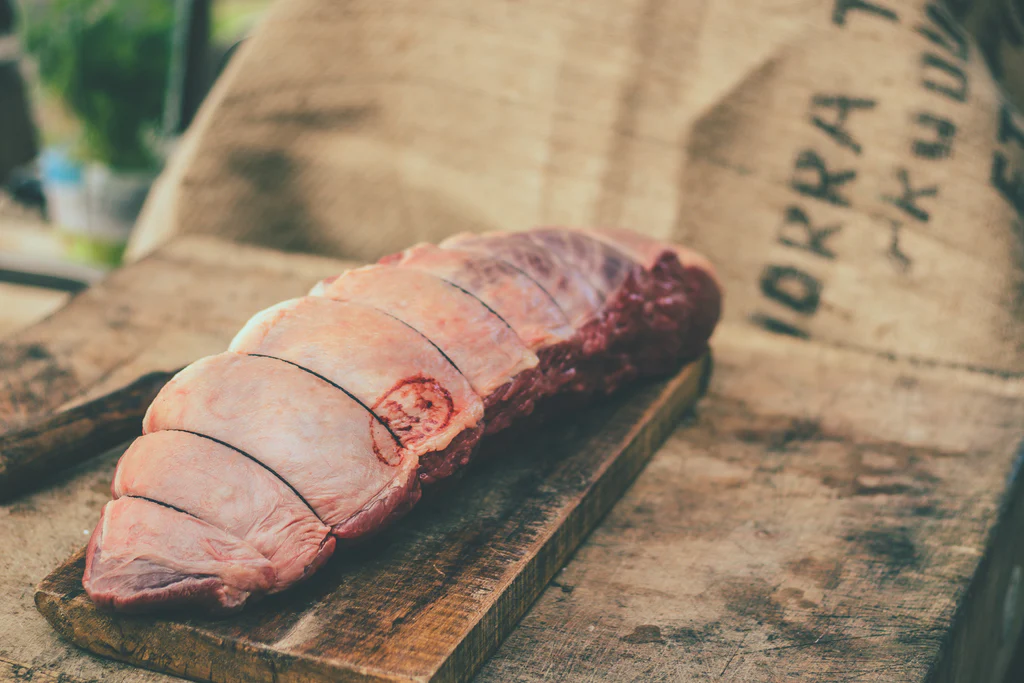
The type of meat you pick is the foundation of your biltong. Keep it simple and don’t overthink it. In the UK, topside and silverside are widely available at butchers and supermarkets, and they work really well. They’re lean, easy to slice, and reasonably priced.
Avoid thin cuts, as these dry too quickly and can become brittle. Go for thicker pieces that you can slice evenly. Trim the meat according to your preference: if you want lean biltong, remove most of the fat. If you enjoy more flavour, leave a thin layer on.
A handy tip is to buy a whole piece and cut it yourself. This way, you control the thickness of each strip and ensure even drying, which makes a big difference in the final texture.
Step 2: Preparing the Spices and Marinade
This is where the flavour really starts to develop. You don’t need a long list of ingredients—just a few basics will do.
The essentials for UK kitchens are:
- Vinegar, either malt or apple cider vinegar.
- Coriander seeds.
- Black pepper.
- Coarse salt.
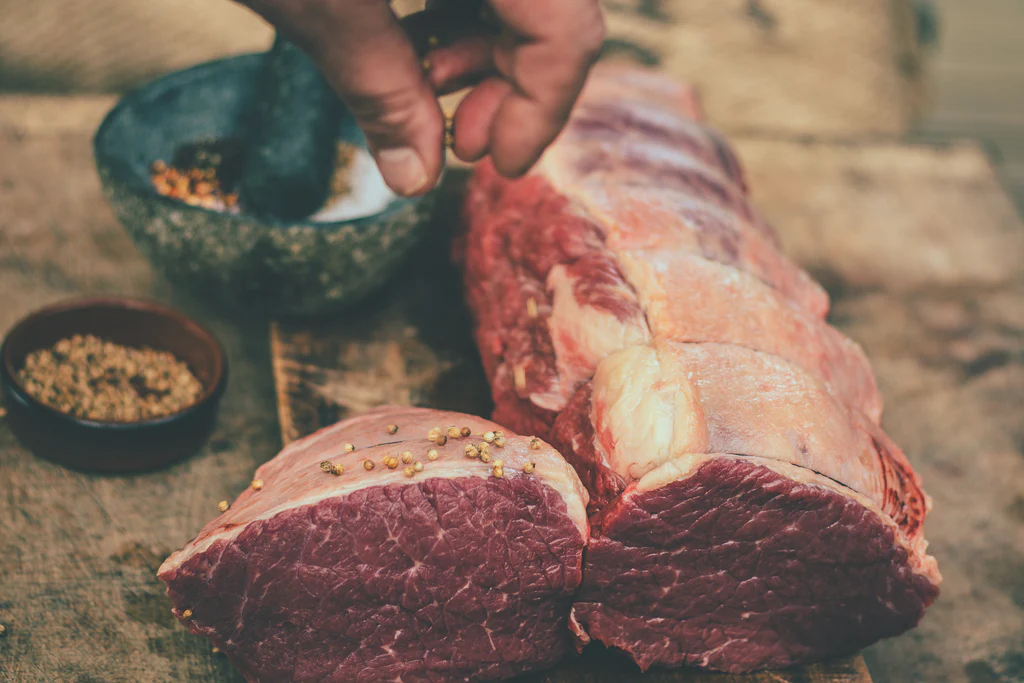
To prepare, lightly crush the coriander seeds and mix them with salt and pepper. Rinse each strip of meat with vinegar, then rub the spice mixture thoroughly into the meat. For a little extra kick, you can add garlic powder, paprika, chilli flakes, or Worcestershire sauce.
Once coated, place the meat in a covered container and leave it in the fridge overnight. This allows the vinegar and spices to penetrate the meat and develop a deeper, richer flavour.
Step 3: Drying the Meat
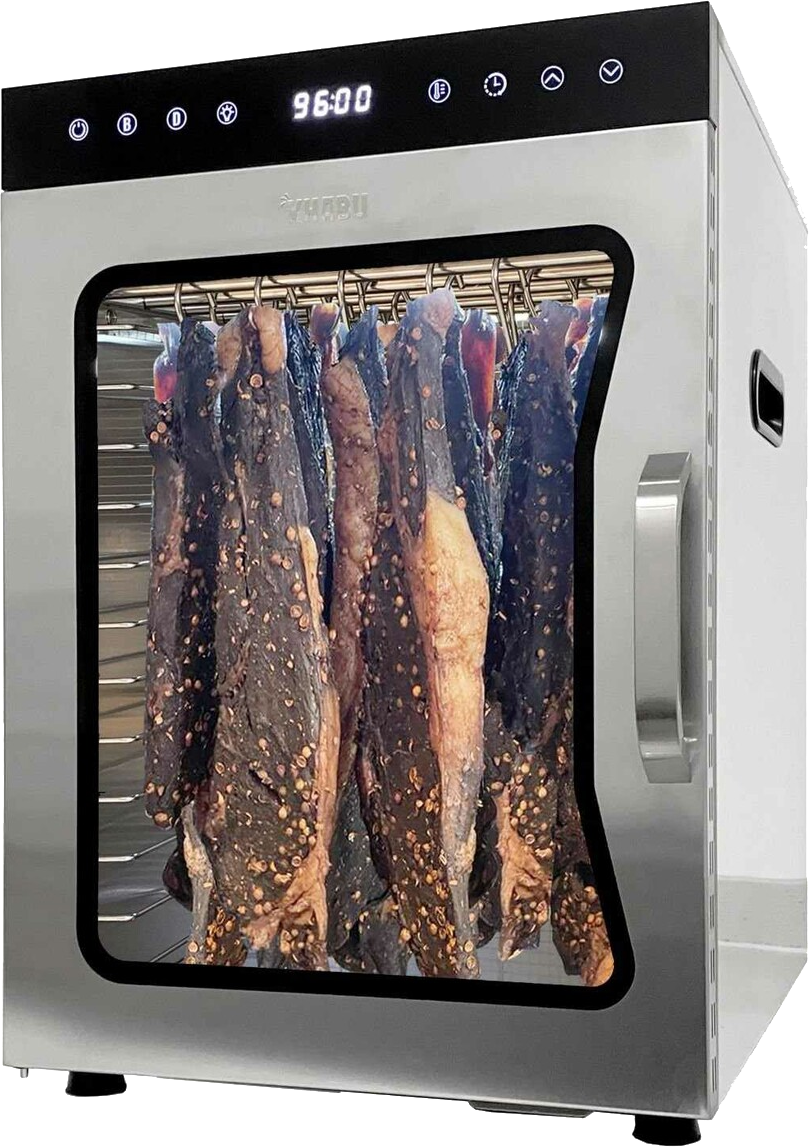
Drying is the stage that turns spiced meat into proper biltong. Traditionally, it would be hung in cool, airy rooms, but the UK’s damp or humid weather can make this tricky. That’s why many home cooks now use a biltong dehydrator, which ensures consistent airflow and removes much of the guesswork.
To dry your biltong:
- Hang each strip inside the dehydrator, making sure they don’t touch each other. Airflow is essential.
- Switch on the dehydrator and leave it running.
- Check the meat daily to monitor the texture.
Drying time depends on the thickness of the strips. Thin pieces usually take around 3 days, while thicker cuts may need 4–5 days. Some people prefer soft, chewy biltong, while others like it firm and dry. A good biltong dehydrator from Kalahari will make this process much easier and more reliable for beginners.
Step 4: Cutting and Storing
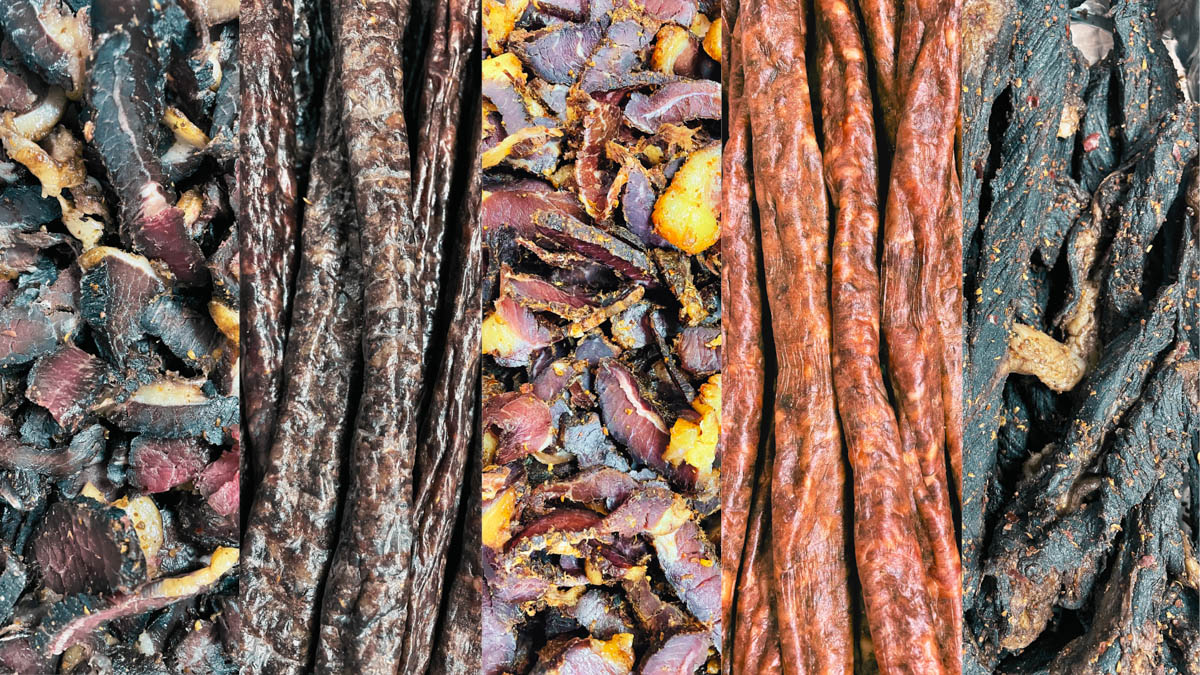
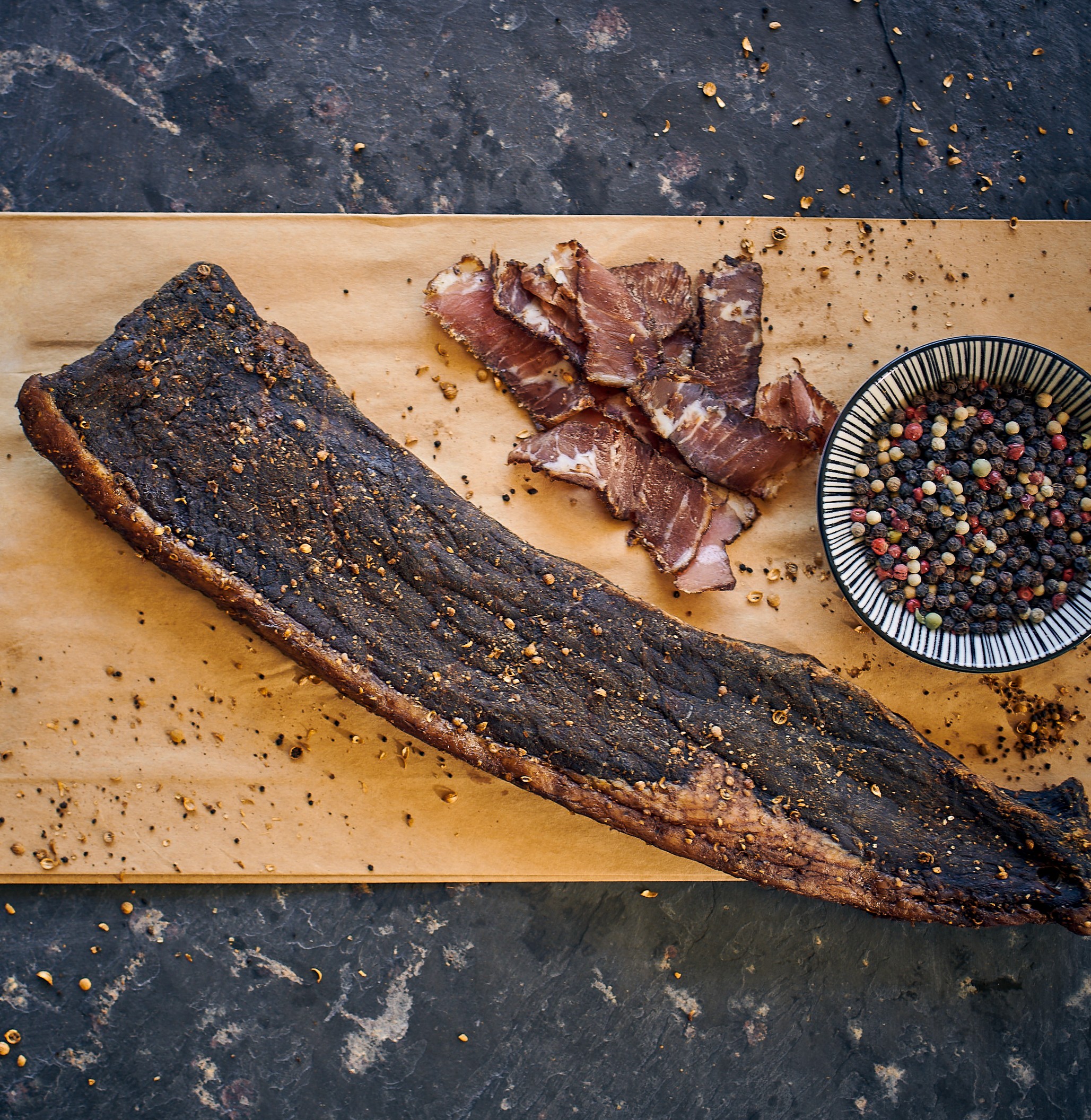
Once your biltong has reached the desired dryness, it’s time to slice and enjoy. Use a sharp knife or a biltong cutter to get thin, even slices. Store the finished biltong in an airtight container in a cool, dry place.
If you’ve made a large batch, vacuum sealing can help keep it fresh for longer. Properly stored biltong can last several weeks. It’s perfect as a protein-packed snack for work or school, a quick energy boost after the gym, or as a handy treat for road trips or camping trips across the UK.
Common Mistakes Beginners Make
Learning to make biltong is simple, but there are a few common pitfalls that beginners should watch out for. One of the biggest mistakes is rushing the process. Drying takes several days, not just a few hours, so patience is important if you want the right flavour and texture.
Another issue is using meat cuts that are too fatty. While a thin layer of fat adds flavour, excess fat can spoil before the meat has a chance to dry properly. Over-spicing is another trap. It can be tempting to load up on every seasoning, but a lighter hand often delivers a better result, and you can always adjust on your next batch. Lastly, airflow matters. If the meat strips are too close together, there’s a risk of mould forming, which can ruin all your effort. By being aware of these mistakes, you can avoid wasted batches and enjoy a smoother experience from the start.
Why People in the UK Love Making Biltong
In the UK, where weather can be damp and unpredictable, a biltong dehydrator makes all the difference. It keeps the airflow steady and removes the guesswork.
Another reason biltong making has caught on is the sense of tradition. Many South African expats living in Britain introduce their friends to it, and before long, people who never grew up with biltong are hooked.
And let’s be honest – shop-bought biltong can be expensive. Making it at home is not only cost-effective, it’s also rewarding.